Français
 Deutsch
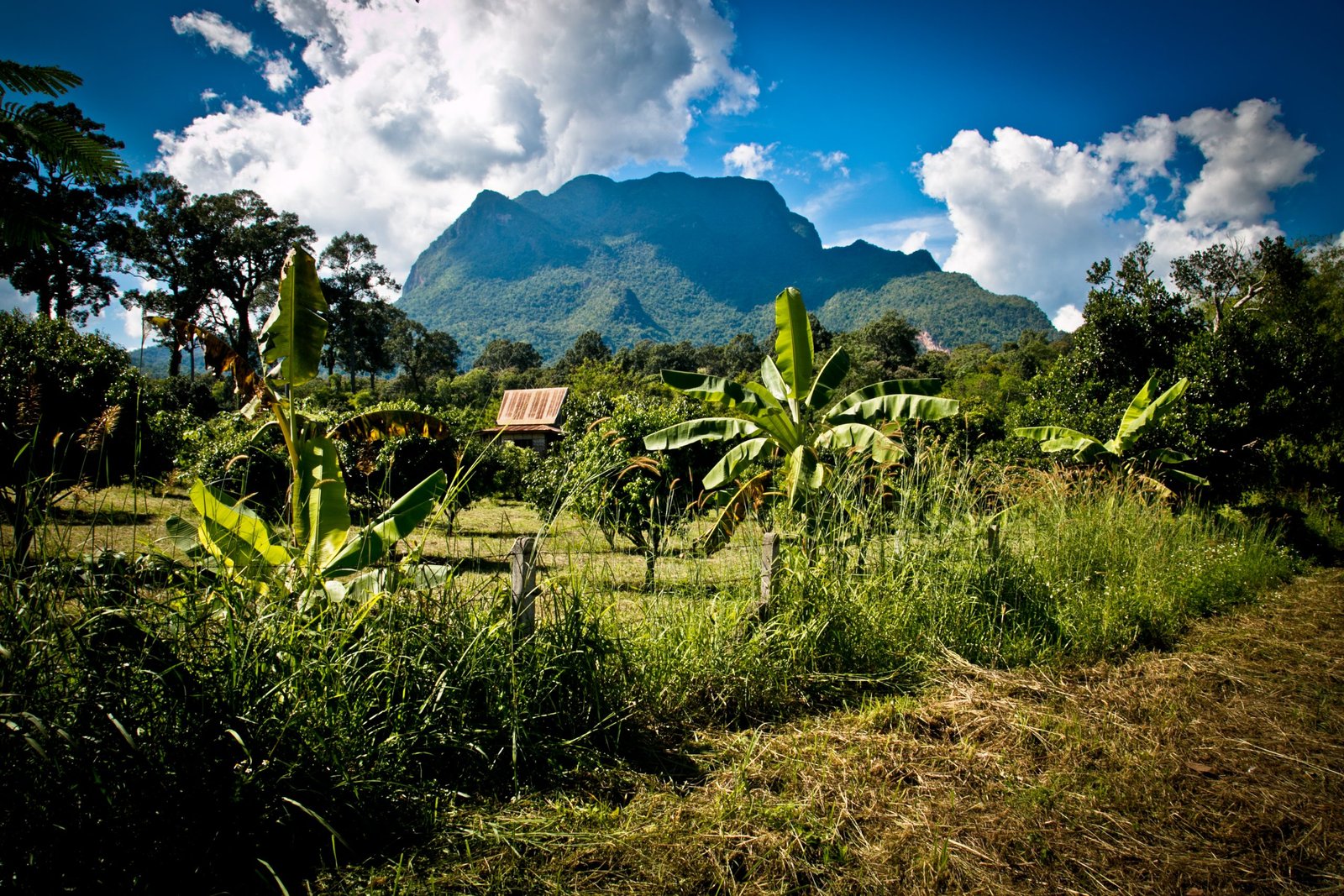
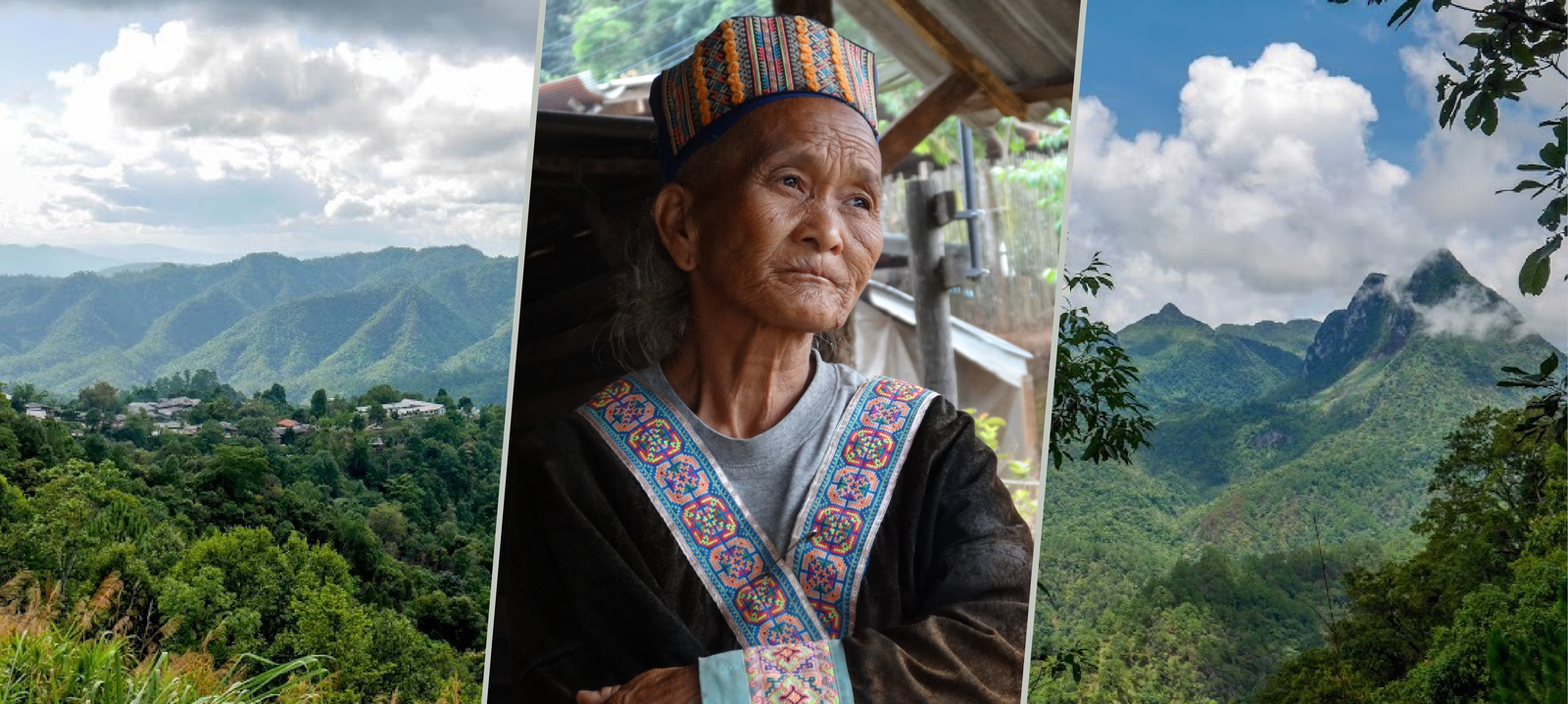
The target about TMT.1 was to create a long hiking route from Chiang Mai to the biggest mountain range of Thailand, Chiang Dao. The 1st time we discovered this mountain in 2013, we were fascinated. Barely known from tourists and Thai at that time, we were struck by its beauty and its majesty. Standing out against the sky, with several summits at 2,000 meters high and a profusion of lesser peaks and ridges, Chiang Dao is definitely the most beautiful mountain in Thailand. where rock and jungle meet and blend.

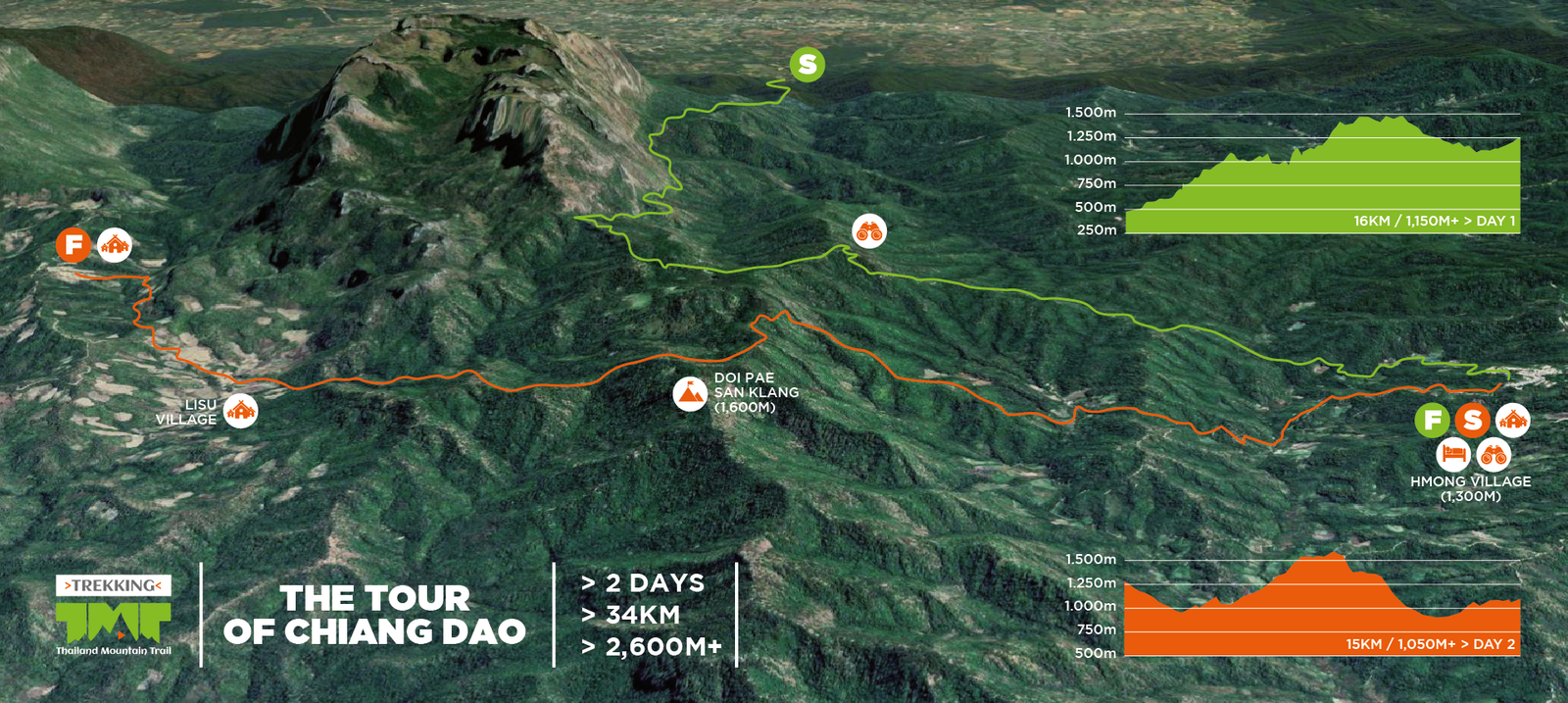
In two days, we will hike in the biggest mountain range of Thailand all around the majestic Chiang Dao summit. This is our most challenging 2-day hike with 7 hours trekking and 1000m elevation gain per day. This is the time needed to hike across and behind the massif in remote ancient footpaths that only a few local people know. It’s a perfect trip to discover Chiang Dao from another side or when the Wildlife sanctuary is closed or full.
CHARACTERISTICS OF THE TRIP
7'900

PICK UP AT YOUR HOTEL (8.00-8.30 AM)
BAN MAE MAE (1H30 TRANSFER FROM TMT)

JUNGLE, LIMESTONE PEAKS
HILL-TRIBE VILLAGES, HIGH MOUNTAINS

NA LAO MAI (2H TRANSFER TO TMT)
DROP OFF AT YOUR HOTEL (5.00-6.00 PM)

ALL INCLUSIVE (SEE DETAILS) (LINK)
ONE NIGHT IN A HMONG VILLAGE

7-HOURS TREKKING DAILY
80% SINGLE TRACK / 20% DOUBLE TRACK

AVAILABLE NOVEMBER > FEBRUARY
SUBJECT TO NP AUTHORIZATION
On the 1st day, from the valley, we can already observe the spectacular mountain range that overlooks us 1000m higher. We are pleased to be here, at the foothills of high cliffs and various peaks, and feel the unique atmosphere of Chiang Dao Mountain range. After a short trail in the jungle, we start hiking up to a Lahu village located 1000m high. We will take a break here before hiking again and reach the summit of Doi Pakhia that offers us unique scenery on the whole Chiang Dao range.
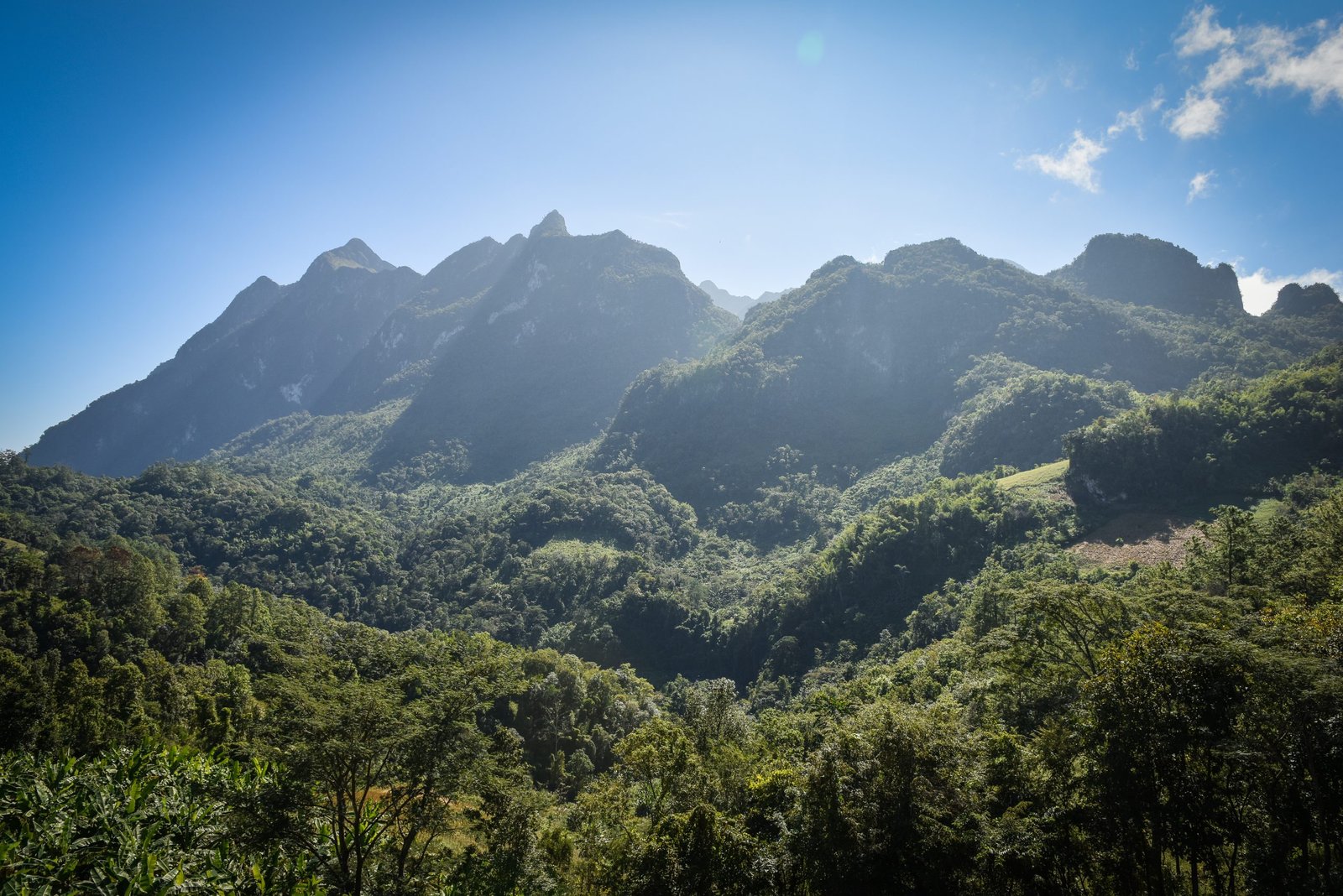
The trail now flows on a plateau through rocks and tropical forests in a majestic alpine décor. As we move forward and hike up again, the atmosphere changes, the forest opens and is replaced by hundreds of pine trees. We can now see clearly the whole mountain range of Chiang Dao from west to east. We will stop here for lunch break after hiking the entire elevation gain of the day. It’s a very remote area where only Hmong people live.
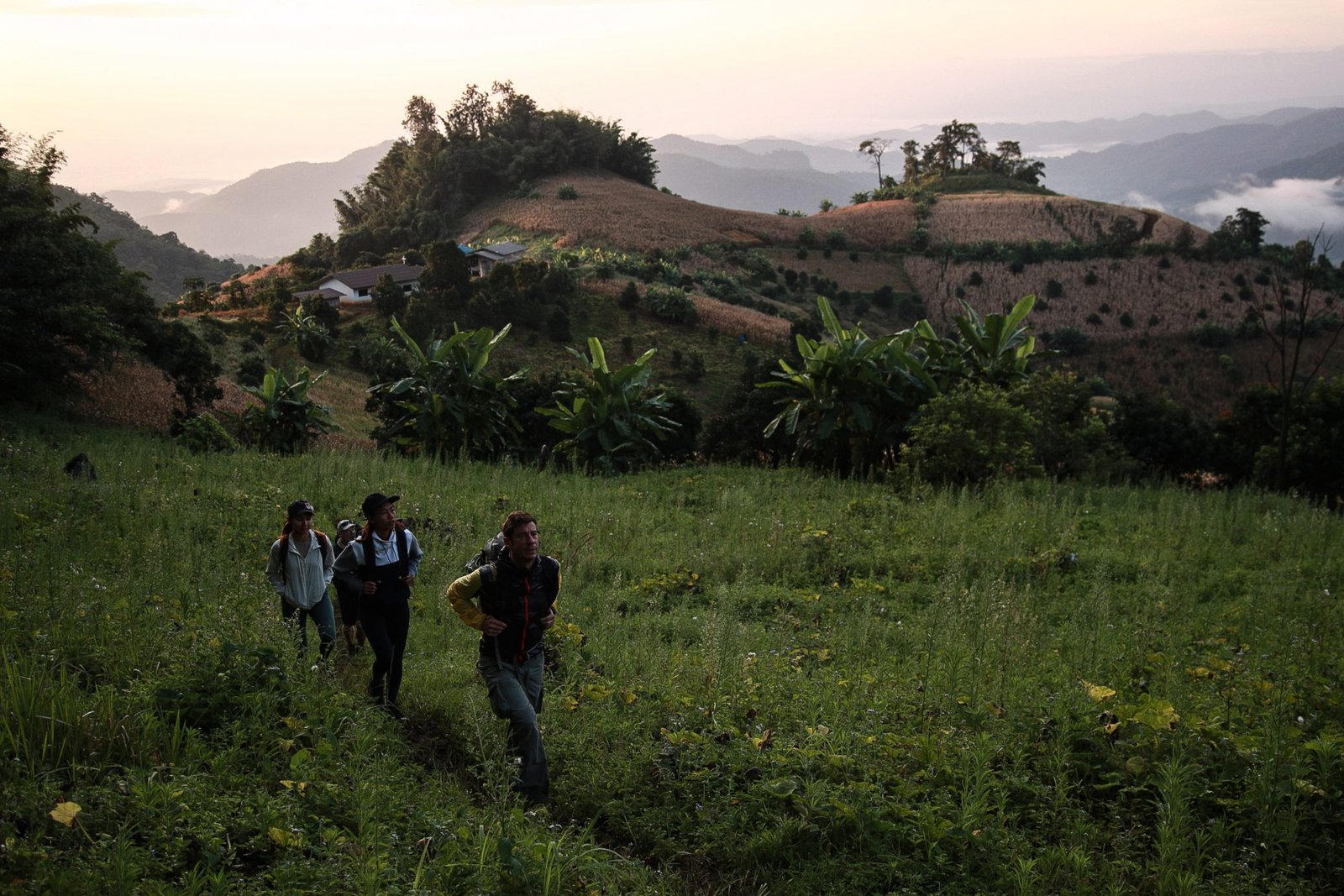
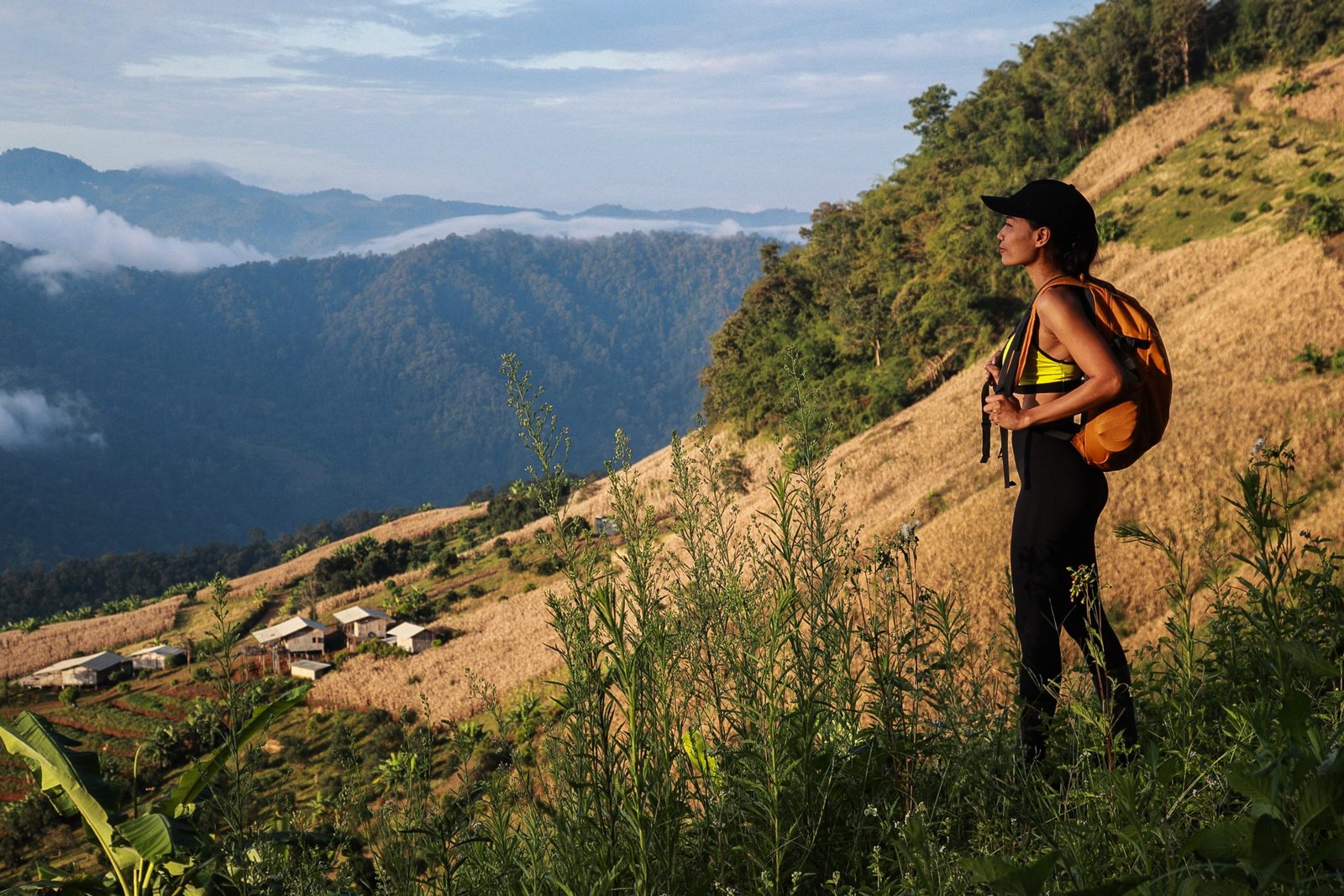
The last part of the day will lead us down to the Hmong village of San Pakhia. A long time ago, the village was located at the foothills of Chiang Dao summit. Hmong people grew poppy crops at the top of the different summits. With the development of the Royal project, they moved and started growing substitute crops. The village is now at a lower level and further down Chiang Dao, but it has a unique view of the mountain range. We will stay here for the overnight in bamboo huts we have built with the head of the village.
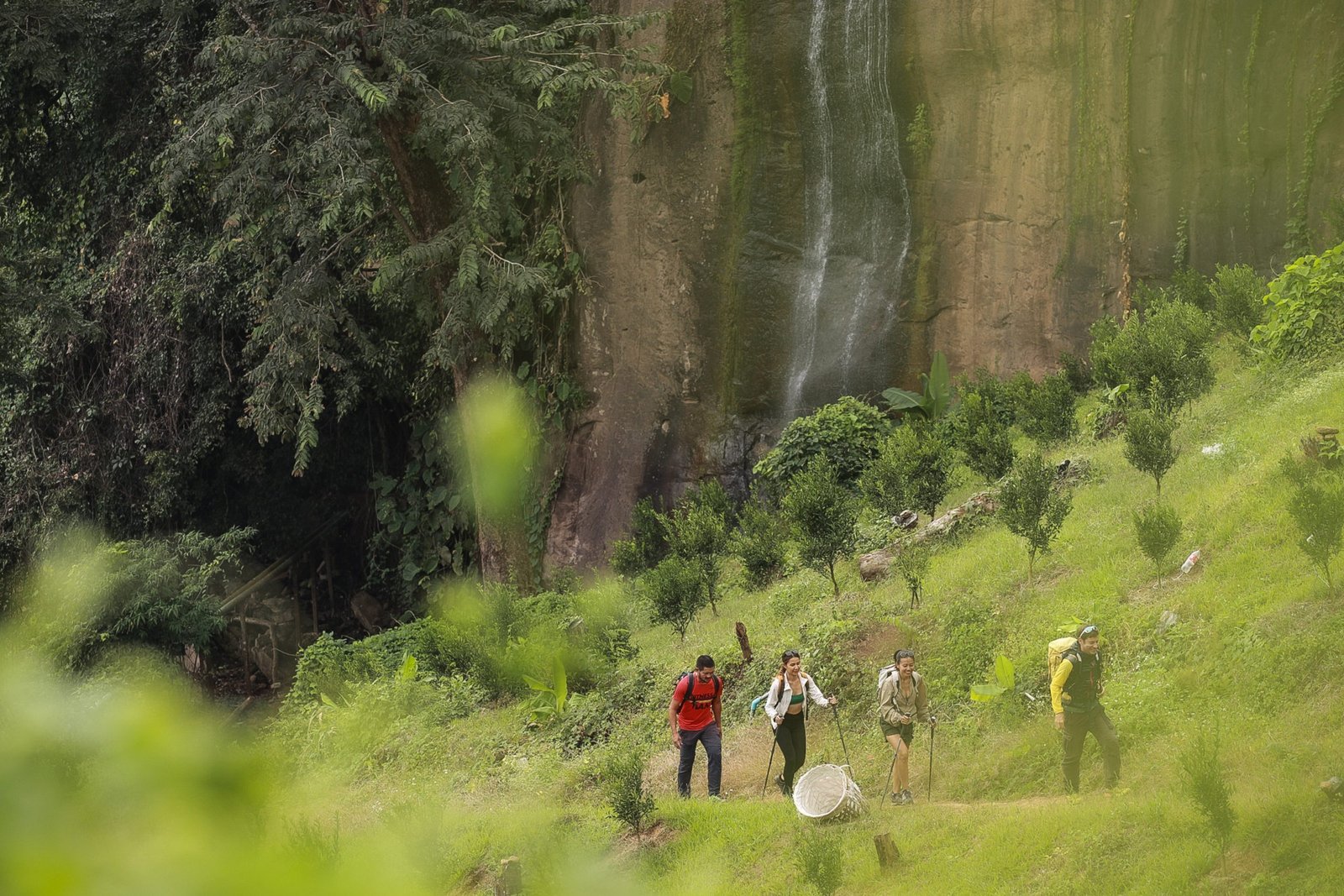
In the morning of the 2nd day, after a long way down on a dirt road, we must tackle with a steep path in the forest. This is the most difficult part of the route. For some unknown reasons, local people have traced their path straight up in the mountains. Until we reach the ridge of the mountains, it’s a long succession of soft and steep slopes. It requires some strength to finally stand at the top. That’s where we will have lunch, at a summit at 1500m high with an open view of Chiang Dao wildlife sanctuary.
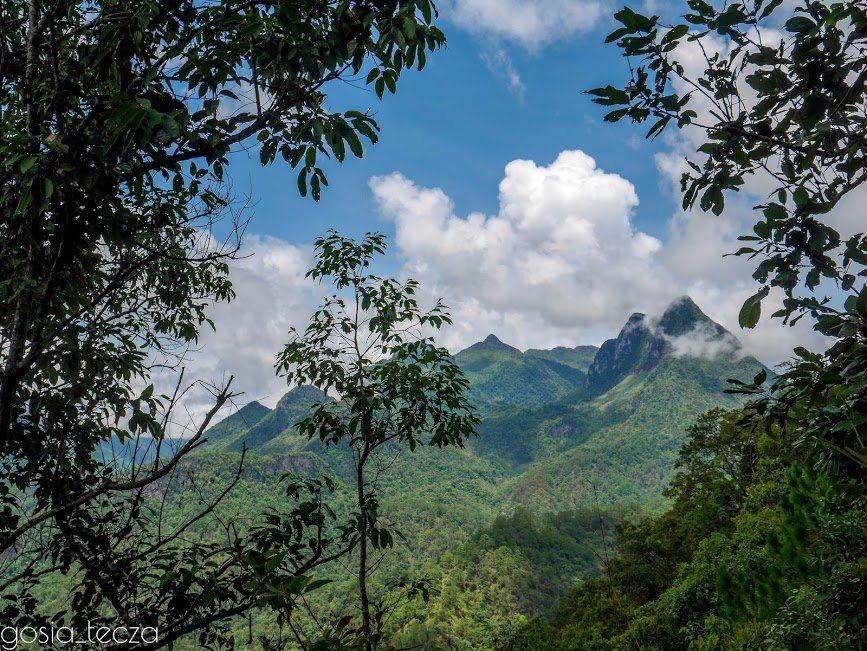
At the top, we hike on a long ridge with a beautiful view of the mountains around. At the beginning of the ridge, on the South side, we can observe the Hmong village of San Pakhia that we left in the morning. We will be surprised to see how far we hiked! At the end of the ridge, the North side suddenly offers a wonderful panorama, with the Lady Mountain that stands in the distance on the left, and the Chiang Dao mountain range that offers its best side on the right.
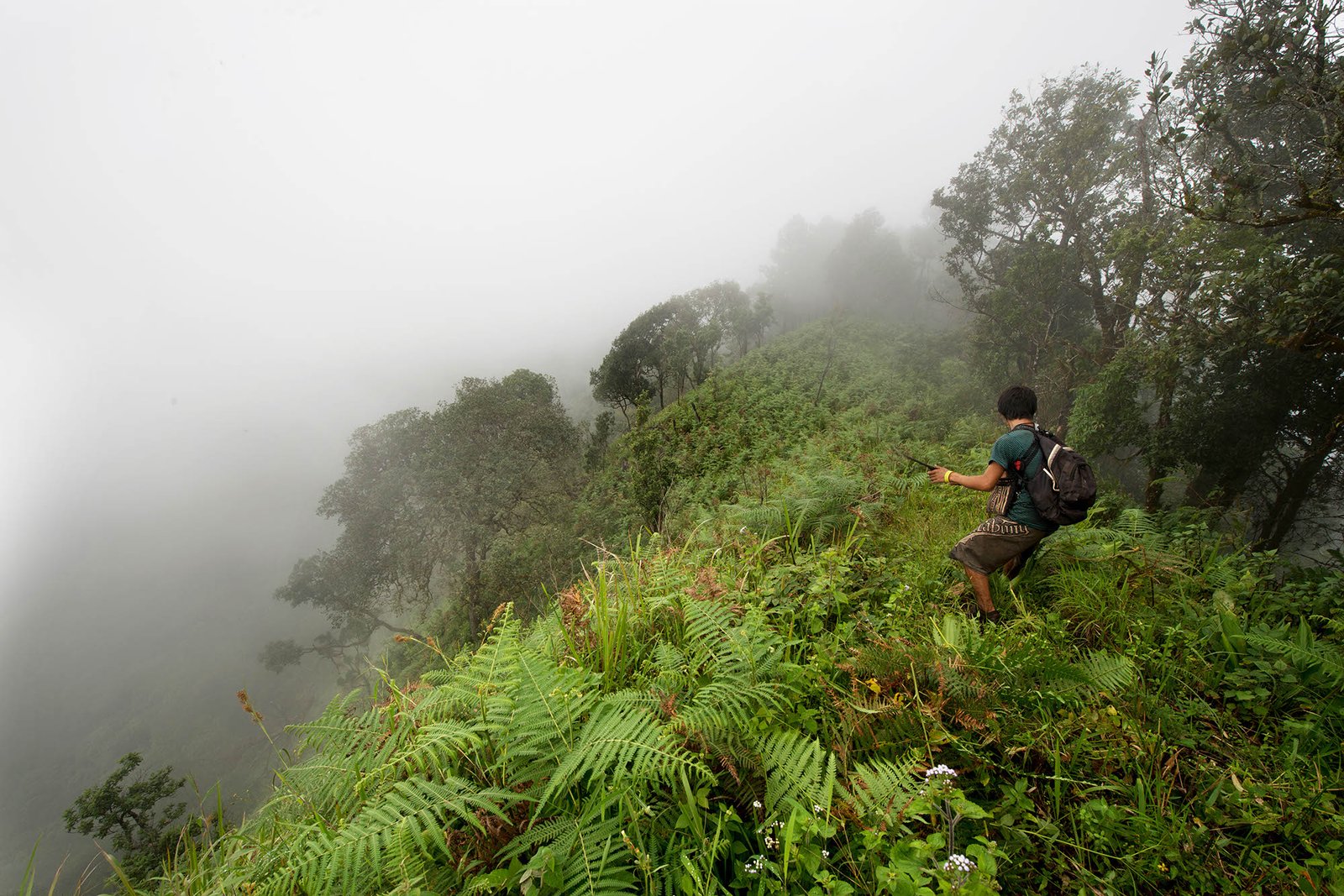
The last part of the route is a long way down back to the valley. This is a last technical and steep descent we must tackle before the finish point. It’s important to stay focused and watchful to avoid any mistakes or failure. After two full days of challenging trekking, bodies and legs start to feel the pain. We reach a 1st little Lisu village, but we must hike up again to reach the 2nd final village, Na Lao. We will enjoy a deserved rest and stunning view of Chiang Dao before driving back to Chiang Mai.

SAN PAKHIA HMONG VILLAGE
Located at 1400m high, San Pakhia is one of the few villages located in the controlled Chiang Dao area. It’s a Hmong village where about 80 families live. They used to grow opium on the high Chiang Dao plateau, but this time is now over, and they live from traditional agriculture. TMT has established long relationships with local people since 2013. Thanks to this, we have been the one and only foreigner (Thai included) to be allowed building our own bungalows by the head of the village. We will spend the night there in premium conditions. enjoying delicious Thai food and comfortable rooms with a view.